Welcome to the Arctic!
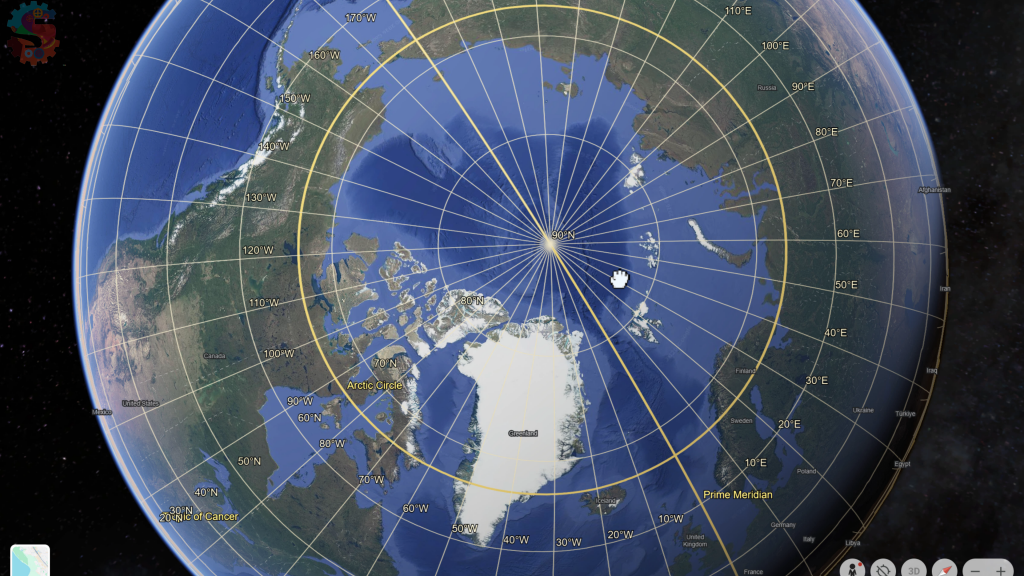
The Arctic is the far northern region of Earth. It surrounds the North Pole and includes everything north of the Arctic Circle, an imaginary line located at about 66.5° north latitude.
The Arctic is one of the coldest places on Earth. Much of the land is treeless, and the region is surrounded by enormous areas of cold, icy ocean.
Even though the Arctic environment is harsh, it is home to an amazing variety of plants and animals. These organisms have special adaptations that help them survive in the cold.
But animals aren't the only ones that have to adapt to the Arctic.
People who work in the Arctic have to solve some pretty difficult problems, too.
Today, you're going to become an engineer and help an Arctic researcher solve one of those problems.
Buried by Snow
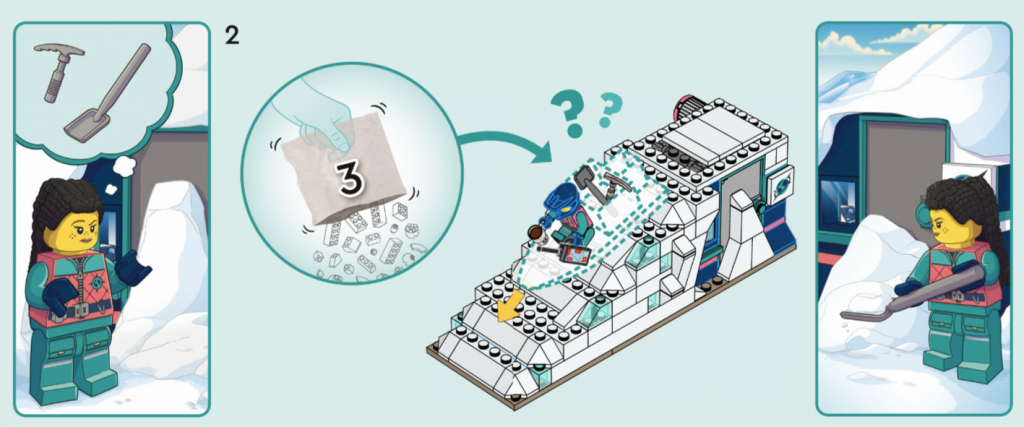
Celeste is an Arctic researcher working in a laboratory that is partially buried by snow.
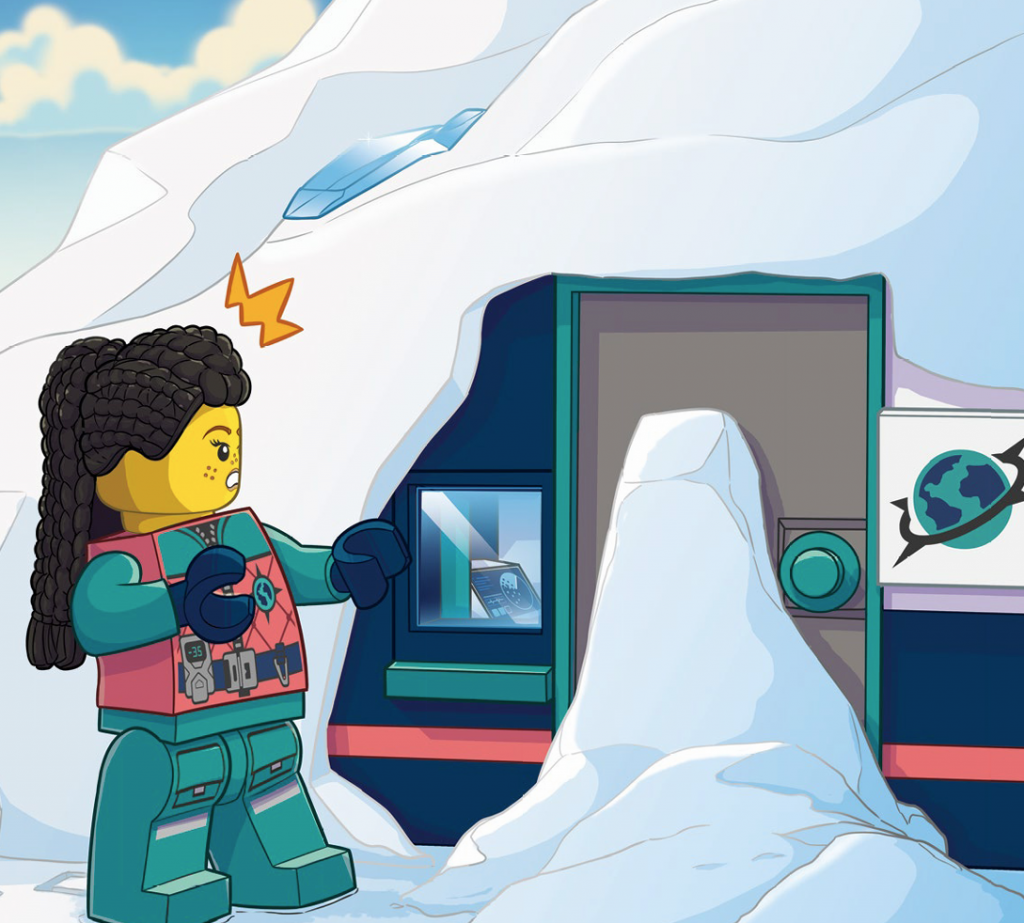
When the research station was first built, it had a door at ground level. But after years of drifting snow and long, harsh winters, the entrance has become sealed beneath layers of snow.
Now, Celeste has only one way in and out of the station:
A hatch in the roof.
Celeste has finished recording her latest research findings, but she needs to get her report out of the station.
There is just one problem...
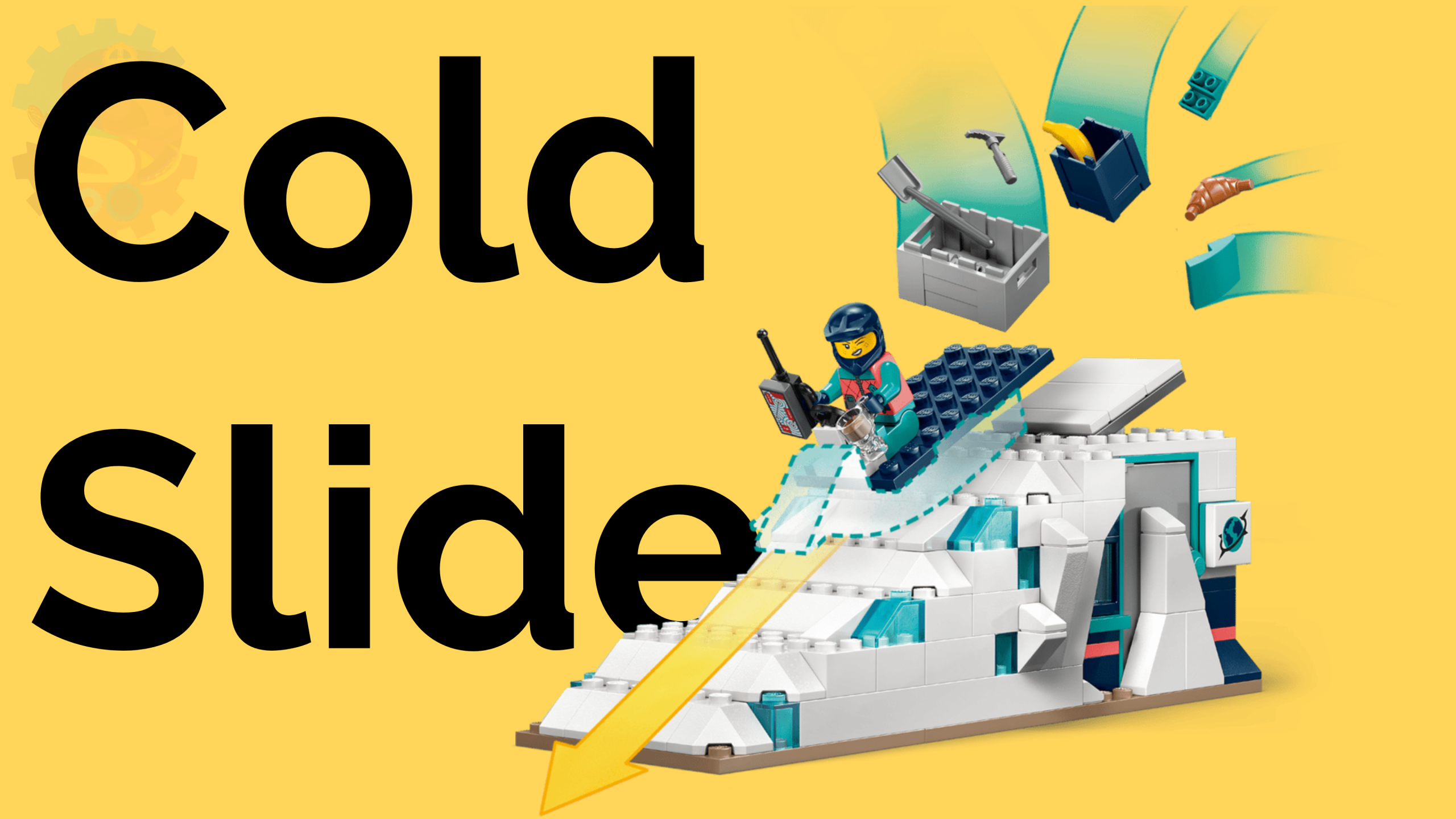
How can Celeste safely get from the snowy roof down the slope?
That's where you come in.
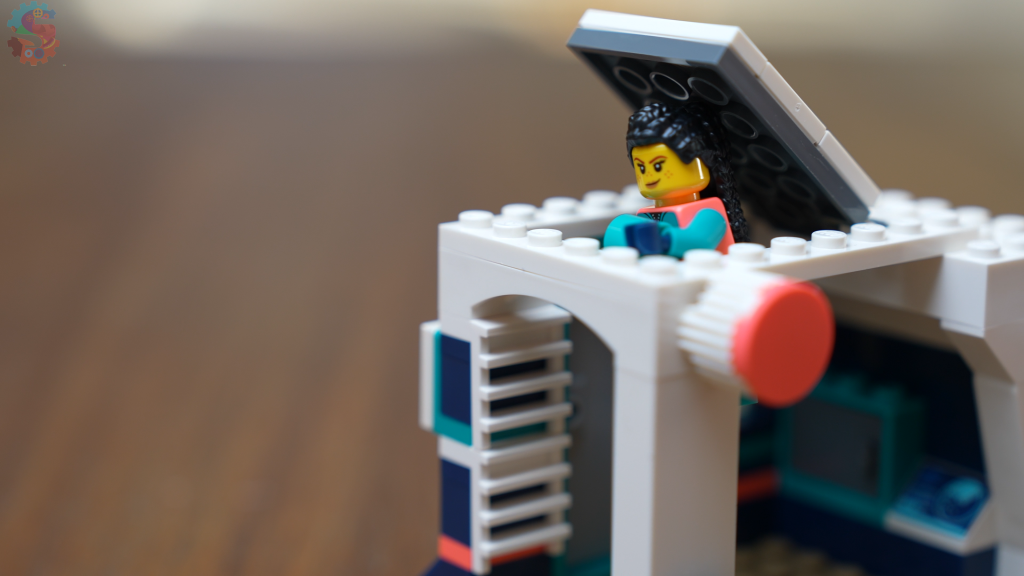
Build Celeste's Research Station
Before you solve Celeste's problem, you need to build her research station.
Your Mission
Use the building instructions in Book 1 to build the model.
Take your time and follow the instructions carefully.
As you build, think about:
- Where is the research station?
- Where is the entrance?
- Why might the entrance become buried?
- How does Celeste get out of the station?
Once your model is complete, you're ready for your first engineering challenge.
How Will Celeste Get Down the Slope?
Celeste needs to travel from the roof of the research station down the snowy terrain.
Your challenge is to build a sled that can slide down the slope safely.
Your Challenge
Use the pieces in Bag 2 to design and build a sled.
You can use some of the pieces or all of them. It's up to you!
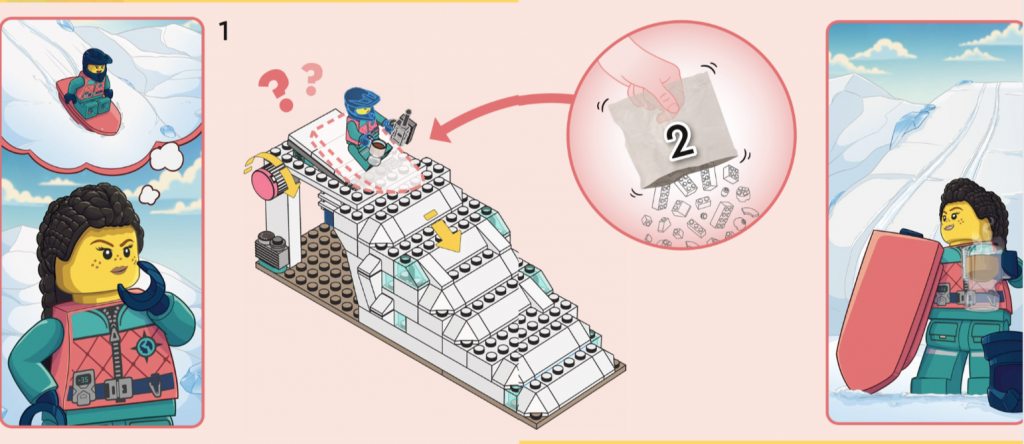
Your sled should:
- Start at the top of the research station.
- Slide down the slope.
- Reach the bottom without crashing.
Test Your Design
Place your sled at the top of the research station.
Flip the pink wheel to send the sled down the ramp.
Did it work?
Test your sled several times.
If your sled crashes or gets stuck, think like an engineer:
What could you change?
You might discover that using fewer pieces makes your sled work better. You might also notice that the bottom of your sled needs to be smooth so it can slide across the terrain.
Remember:
Engineers test their ideas, learn from what happens, and improve their designs.
Help Celeste Return to the Research Lab
Celeste made it safely down the slope, but she isn't finished!
Now she needs to return to the research station with all of her equipment.
This time, you'll need to design something bigger and stronger.
Your Challenge
Use the pieces in Bag 3 to invent a new sled or transportation system that can carry Celeste's equipment back to the research lab.
Before you build, examine your pieces.
Think about:
- Which pieces could help you carry equipment?
- Which pieces could make your sled stronger?
- Which pieces could help your sled slide?
- How can you keep the equipment from falling off?
Design. Build. Test. Improve.
There are many possible solutions.
Your goal is to create a design that solves Celeste's problem.
Test your invention.
If it doesn't work, change your design and try again.
That's engineering!
Meet a Real Polar Researcher
Meet Celeste Labedz
The Celeste in our story is fictional, but scientists really do travel to cold, icy environments to conduct research.
Meet Celeste Labedz, an environmental seismologist and assistant professor at the University of Chicago.
Celeste uses instruments called seismometers to study what happens inside glaciers. Her research includes studying water beneath glaciers, ice quakes, glacier movement, and hazards connected to melting ice.
Her fieldwork has included working on glaciers in Alaska.
Scientists like Celeste have to think carefully about how they move people, equipment, and supplies through challenging environments.
Think About It
How would you transport your scientific equipment if you were working on a glacier?
Use what you learned from this lesson to answer the questions below.
1. What is the Arctic?
Describe where the Arctic is located and what makes its environment different from other places on Earth.
2. What challenges might a person face when traveling through snowy Arctic terrain?
Think about the snow, ice, cold, slopes, and equipment a researcher might need to carry.
3. How did your sled help Celeste get down the slope?
Describe at least one feature of your design that helped it work.
4. What did you change after testing your design?
Explain what happened during your testing and how you improved your sled.
5. How did your second design solve a different problem?
Explain how your larger invention helped Celeste transport her equipment.
6. How do you think Arctic animals move through snowy environments?
Think about the adaptations that might help an animal survive and move through the Arctic.
7. Engineering Challenge
What is one thing you learned from this challenge that you could use to solve a different problem?
Great Work, Engineer!
You explored the Arctic, learned about the challenges of working in a frozen environment, built a sled, tested your design, and invented a way to transport equipment.
But this is only the beginning.
There are many more Arctic animals and adaptations to discover!