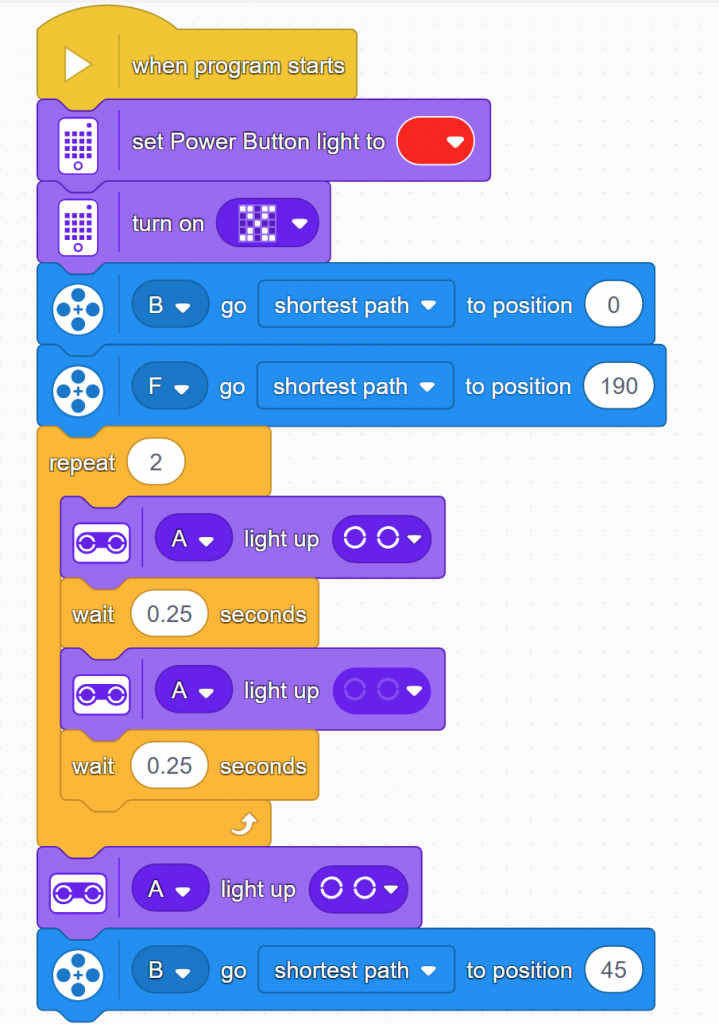
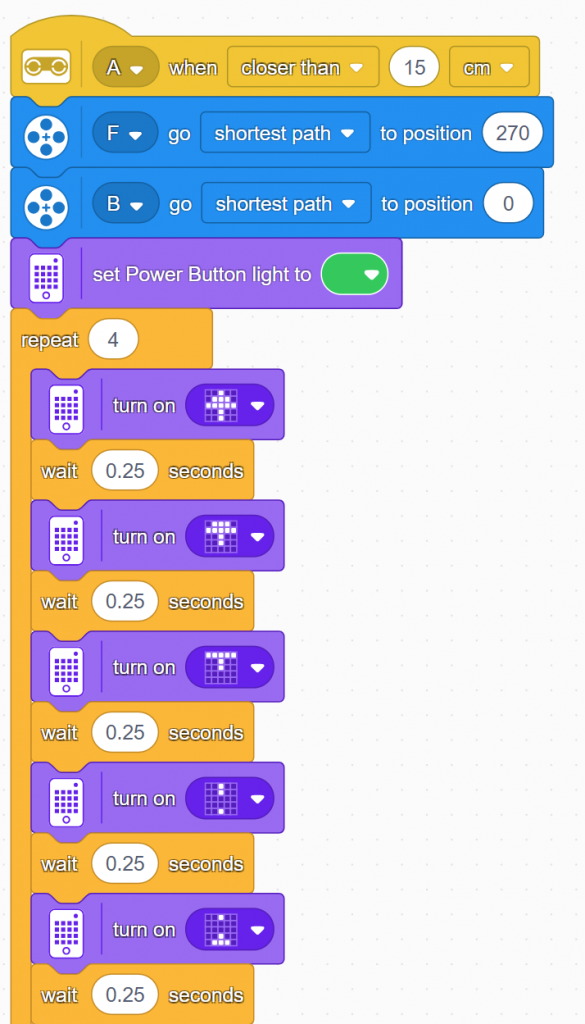
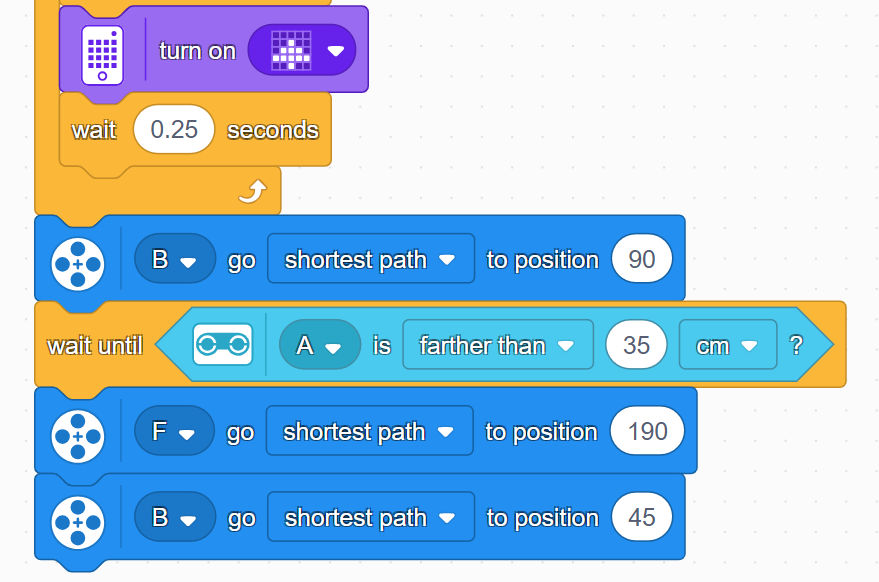
Overview
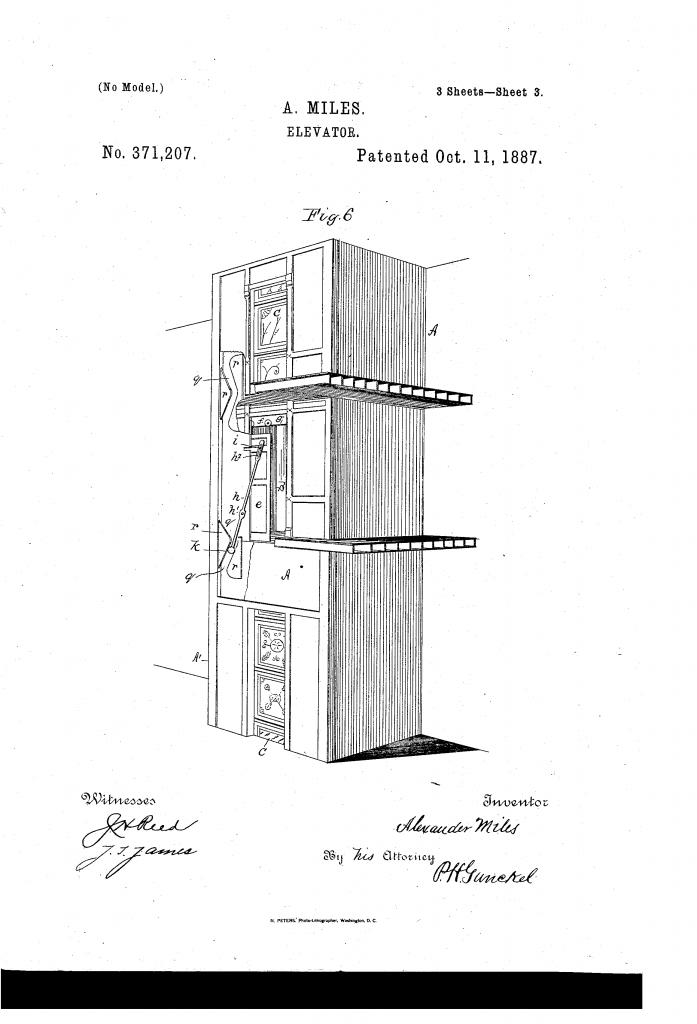
Build a LEGO robot that opens and closes a door automatically—no hands required. This challenge is inspired by Alexander Miles, the inventor whose automatic elevator door system made buildings safer and helped shape modern cities.
Watch the full build video: https://youtu.be/CT-ELr0o-v0
Best for: Grades 2–6
Kits: LEGO Spike Prime or Spike Essential
Time: 45–60 minutes
Who Was Alexander Miles?
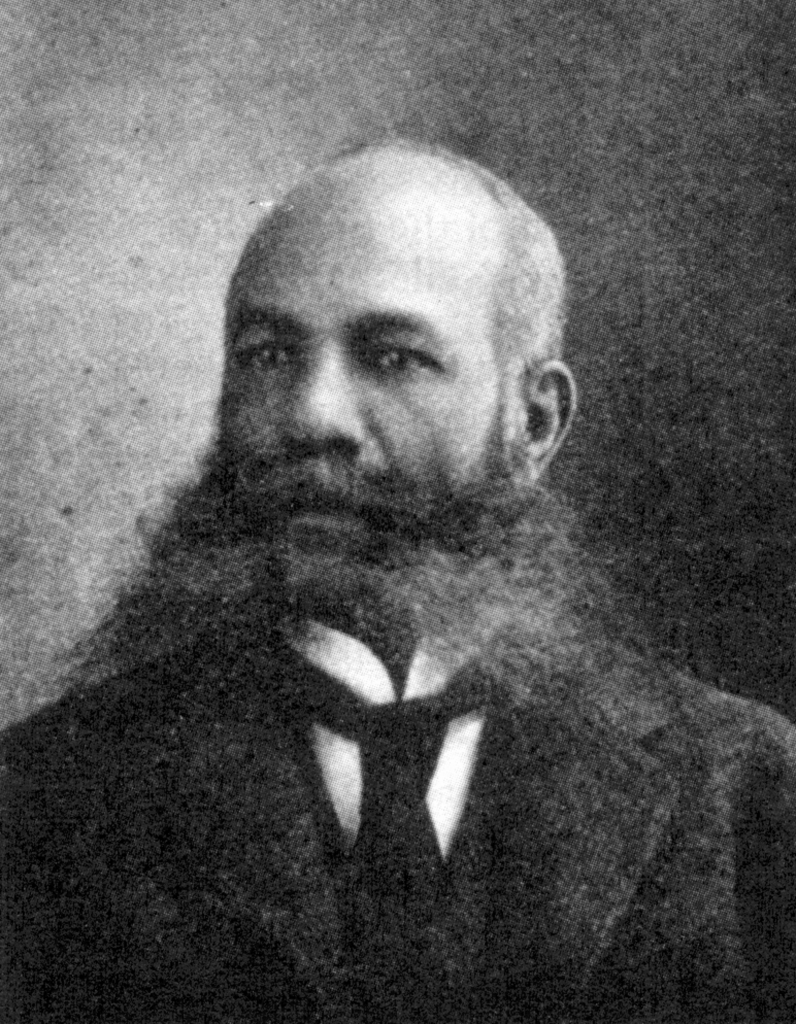
Alexander Miles was an inventor who noticed a serious safety problem in the late 1800s: elevator doors were often left open by mistake, leading to dangerous accidents. After a close call himself, Miles designed an automatic elevator door system that opened and closed on its own. His invention reduced human error and made elevators much safer to use.
Big idea: Automation can protect people by removing dangerous human mistakes.
Real Invention: Key Features
Alexander Miles’s automatic door system needed to:
- Open and close automatically
- Stay synchronized with elevator movement
- Prevent doors from being left open
- Operate smoothly and safely
These ideas are still used in modern elevators and automatic doors today.
LEGO Robot Challenge
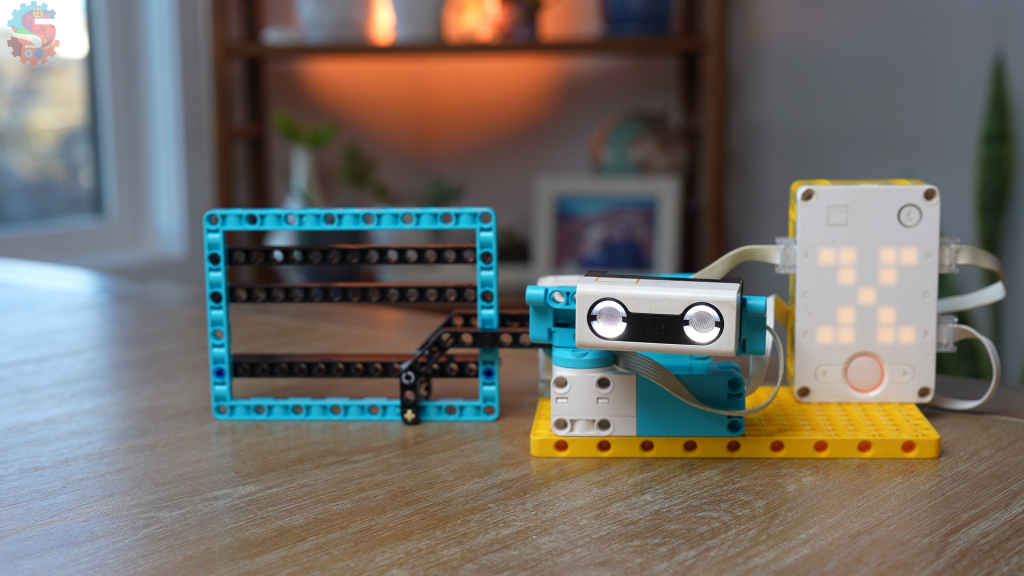
Your mission: Design and program a LEGO door that opens when someone approaches and closes automatically after a short delay.
Build Requirements
- 1 motor to move the door
- 1 sensor (distance or color) to detect presence
- Door opens without touching
- Door closes automatically
Optional Add-Ons
- Emergency stop button
- Sound or light indicator
- Adjustable open/close timing
- Two doors that open in opposite directions
Suggested Materials
- 1 Motor
- 1 Distance Sensor (or Color Sensor)
- LEGO beams, connectors, and plates
- Hub (Spike Prime or Spike Essential)
Programming Concepts
- Sensors as inputs
- Motor direction and power
- Timers / wait blocks
- Loops
Extension: Add conditionals so the door stays open while someone is detected.
Discussion Questions
- Why were automatic doors safer than manual ones?
- What problems could happen if a door didn’t close?
- Where do you see automatic doors today?
- How does automation help people with mobility?
Learning Objectives
Students will:
- Understand how automation improves safety
- Practice sensor-based programming
- Explore cause-and-effect logic
- Connect historical inventions to modern technology
Extensions & Challenges
- Design an elevator system around the door
- Compare early elevators to modern smart elevators
- Test different sensor distances
- Create a building with multiple automatic doors
Video Connection
🎥 Watch the full build video: https://youtu.be/CT-ELr0o-v0
Part of the Black History LEGO Robotics Series
This build is part of our Black History LEGO Robotics Challenge—exploring inventors, engineers, and innovators through hands-on LEGO robotics.
What will you automate next?